


Does Your Brand Message Really Connect? Here's What $2T in Black Buying Power Actually Wants

Let's talk numbers for a second. Black consumers control about $2 trillion in buying power. That's not pocket change, that's more than the GDP of most countries. But here's the thing: most brands are fumbling the bag when it comes to connecting with this audience.
And it's not because they're not trying. It's because they're trying in all the wrong ways.
Every February (and let's be honest, especially in February), brands roll out their Black History Month campaigns. Some slap a few diverse faces on their ads. Others change their logo colors. A few make bold statements on social media. But when March 1st hits? Crickets.
Black consumers see right through it. And they're not here for it anymore.
The Real Disconnect
Here's what's actually happening: 71% of Black audiences feel misrepresented by brands. Not underrepresented, misrepresented. There's a difference.
Underrepresentation means you're not showing up enough. Misrepresentation means you're showing up wrong. You're treating an entire community like a monolith. You're using stereotypes. You're checking boxes instead of building real connections.
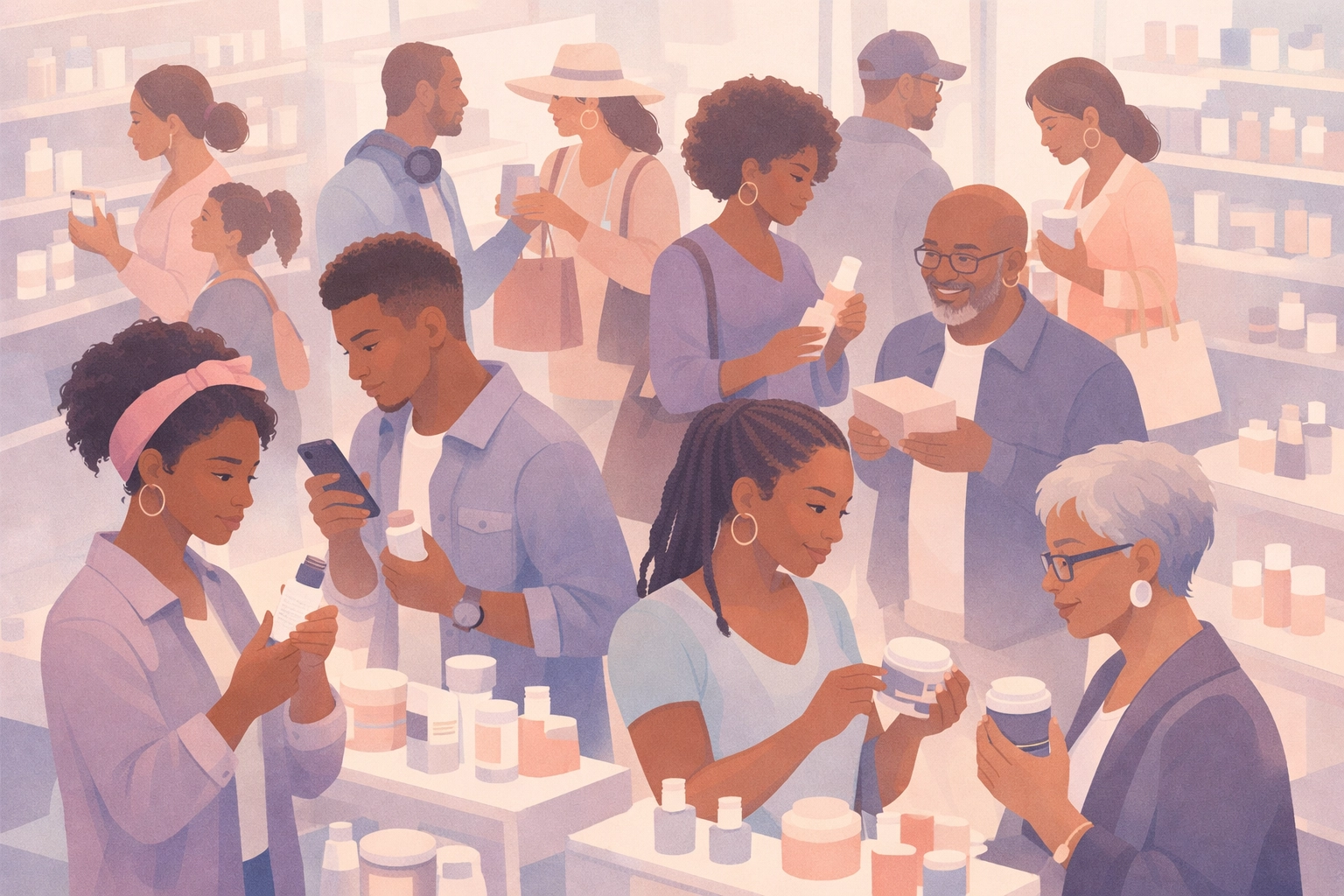
Think about it from a human perspective. Imagine someone trying to win you over by constantly getting your name wrong, making assumptions about what you like, and only showing interest when it benefits them. You wouldn't trust that person, right? Same principle applies to brands.
What Black Consumers Actually Want (Hint: It's Not Complicated)
Okay, so what do Black consumers want from brands? It comes down to three things: authentic representation, cultural respect, and consistent action. Let's break each one down.
Authentic Representation
67% of Black consumers pay more attention to brands that reflect their culture, compared to just 46% of consumers overall. This isn't some nice-to-have marketing bonus, it's a real driver of engagement and sales.
And get this: 52% of Black audiences are more likely to buy from established brands partnering with creators or personalities connected to their interests. Translation? People want to see themselves reflected in ways that feel genuine. They want to see the diversity within the Black community, not just one narrow portrayal.
This means showing Black people in everyday scenarios, in leadership roles, in joy, in complexity. Not just during struggles. Not just as side characters. Not just when it's "relevant" to the product.
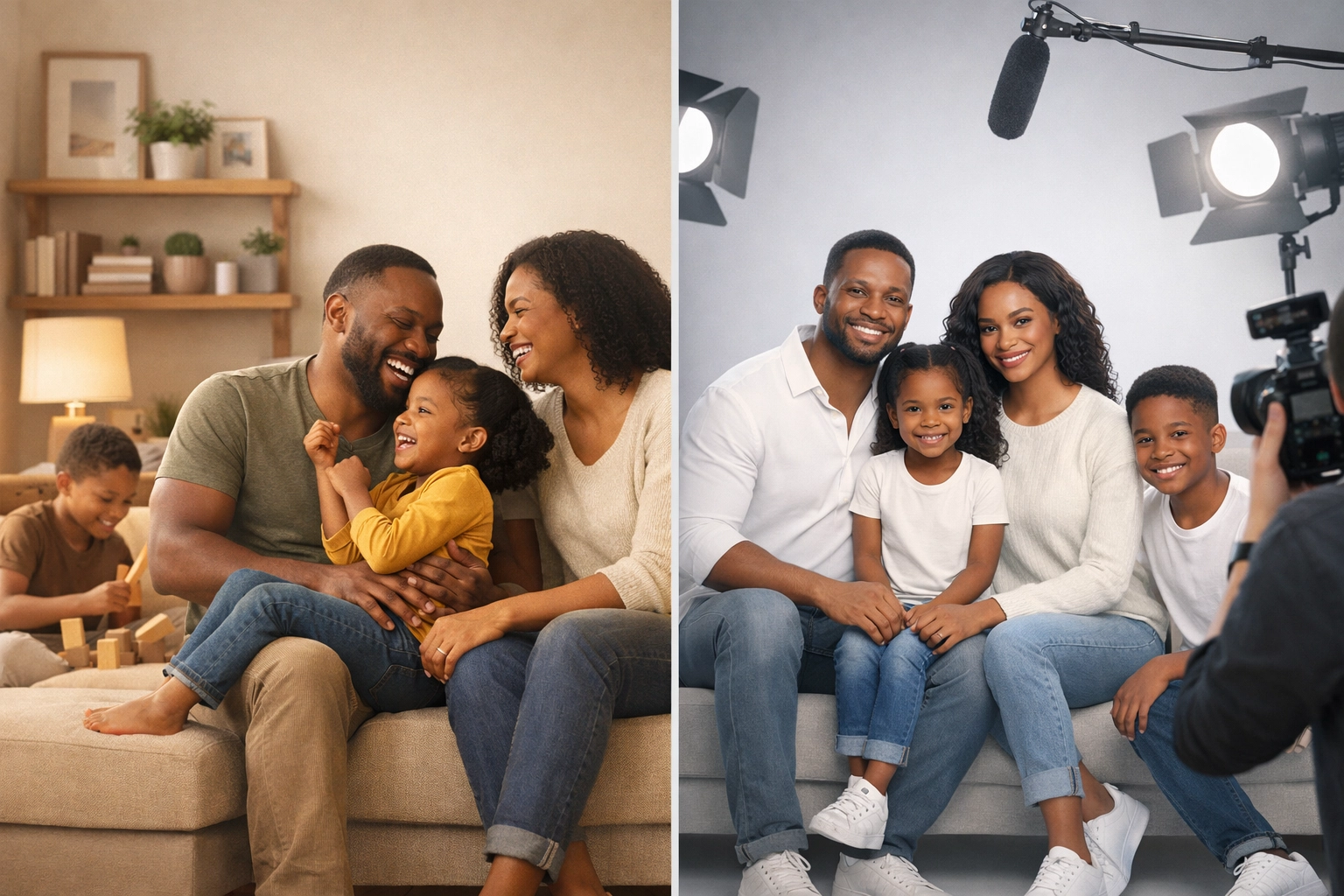
For products like hair and beauty aids where cultural relevance is high, Black consumers purchase at nine times the rate of other groups. And 81% believe advertising that includes Black people is more relevant. The connection between authentic representation and purchasing decisions? It's crystal clear.
Cultural Respect
This is where a lot of brands trip up. Cultural respect means understanding context. It means not appropriating aesthetics without credit. It means hiring Black creatives, not just as the face of your campaign, but as the strategists, copywriters, and decision-makers behind it.
It also means knowing your history. Black History Month isn't just about Martin Luther King Jr. and Rosa Parks (though their contributions are obviously significant). It's about the breadth and depth of Black excellence, innovation, and resilience throughout history and right now, in the present.
When you only dust off your diversity initiatives in February, it sends a message: "We only care when it's convenient." That's not respect. That's performance.
Consistent Action
Here's where the rubber meets the road. 70% of Black consumers will stop buying from brands that devalue their community. And they're not just talking about it, they're about it. Black consumers are 25% more likely to switch brands than other demographics.

Want more proof? Black consumers are willing to shift approximately $260 billion, about 30% of their current spending, to companies that better deliver on their needs. And they'll even pay up to 1.2 times more for offerings better suited to their preferences.
That's not loyalty you can buy with a single ad campaign. That's trust you have to earn through consistent action.
The Cost of Getting It Wrong
Let's keep it real: getting this wrong isn't just a missed opportunity, it's a liability.
59% of Black respondents reported being mistreated in stores. Think about how that lived experience shapes purchasing decisions. If someone feels disrespected by your brand in real life, no amount of slick advertising will bring them back.
Your marketing message can say "We value diversity," but if your customer service, your hiring practices, your supplier relationships, and your community investments don't back that up? You've just told your audience you're a liar.
And here's the thing about trust, it takes years to build and seconds to destroy. One tone-deaf campaign, one instance of cultural appropriation, one empty promise can undo whatever goodwill you've managed to create.
How to Actually Do This Right
Alright, enough about what not to do. Let's talk about what you should be doing.
Start with your team. You can't create authentic messaging for Black consumers without Black voices in the room where decisions are made. Not just as consultants you bring in after the fact, but as core team members with real power and influence.
Do the work year-round. Support Black-owned businesses. Invest in Black communities. Create opportunities for Black creatives and entrepreneurs. Show up when the cameras aren't rolling and it's not trending.
Get specific. Stop treating "Black consumers" as one homogeneous group. A Gen Z Black woman in Atlanta has different experiences and preferences than a Baby Boomer Black man in Detroit. Your messaging should reflect that nuance.
Listen more than you speak. Pay attention to what Black creators, influencers, and thought leaders are saying. What conversations are happening in Black communities? What matters to them right now? You can't connect if you're not listening.
Be willing to apologize and learn. You will mess up. We all do. The question is: what happens next? Do you get defensive? Do you ignore the criticism? Or do you acknowledge the harm, learn from it, and do better?
The Bottom Line
Black History Month is a great time to reflect on the contributions of Black Americans to our culture, economy, and society. But it shouldn't be the only time your brand shows up for the Black community.
If you're a copywriter or brand manager reading this, ask yourself: Are we just checking a box? Or are we building real, lasting connections?
Because that $2 trillion in buying power? It's not going anywhere. But it will go somewhere else if you're not willing to do the work.
At The Glistening Pen, we're all about helping brands craft messages that genuinely connect: not just during heritage months, but all year long. Because authentic communication isn't seasonal. It's essential.
So this February (and beyond), challenge yourself to move past performative gestures. Create copy that honors rather than tokenizes. Build campaigns that respect rather than exploit. And most importantly, back up your words with consistent action.
Your audience: and your bottom line( will thank you for it.)


Comments